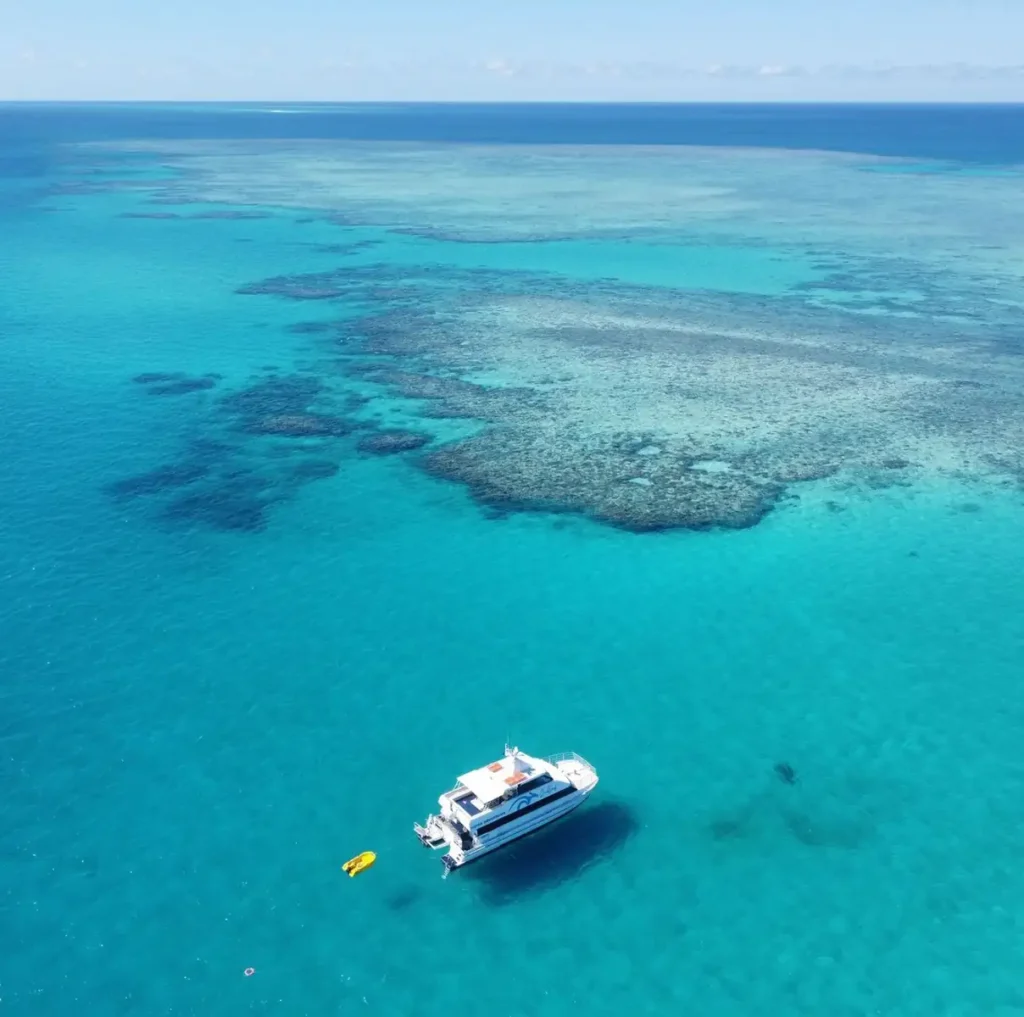
Getting out to the reef the proper way means ditching the crowded pontoons and opting for private yacht charters, secluded coral cay landings and unhurried time on the Outer Reef. To be completely honest, this is how you really experience the reef: fewer people, flexible schedules, and loads more space to breathe.
I’ve spent years working this coastline – crafting itineraries around Port Douglas & Cairns Harbour up to Cape York – and I’ve seen both ends of the spectrum. I’ve seen snorkellers crammed in on a single bommie like they’re in a human sardine can. And I’ve watched the sun rise over the Ribbon Reefs with nary a vessel in sight. One was rushed, the other was what the South Pacific is all about.
The Great Barrier Reef runs a crazy 2,300 km & covers an area of 344,400 sq km. And that scale counts for something. You don’t have to do it the same way as the masses do.
Contents
- 0.1 Head Further Out And The Reef is a Different World
- 0.2 Private Yacht Charters Give You the Day
- 0.3 Lizard Island: Isolation With Science
- 0.4 Accessible Islands: Timing Matters
- 0.5 Serious Diving Demands Proper Respect
- 0.6 Charter Hubs Beyond Cairns
- 0.7 Know Your Seasons
- 0.8 Reef Dining Should Be Unrushed
- 0.9 The Bottom Line: Intention Over Extravagance
- 1 FAQ
Head Further Out And The Reef is a Different World
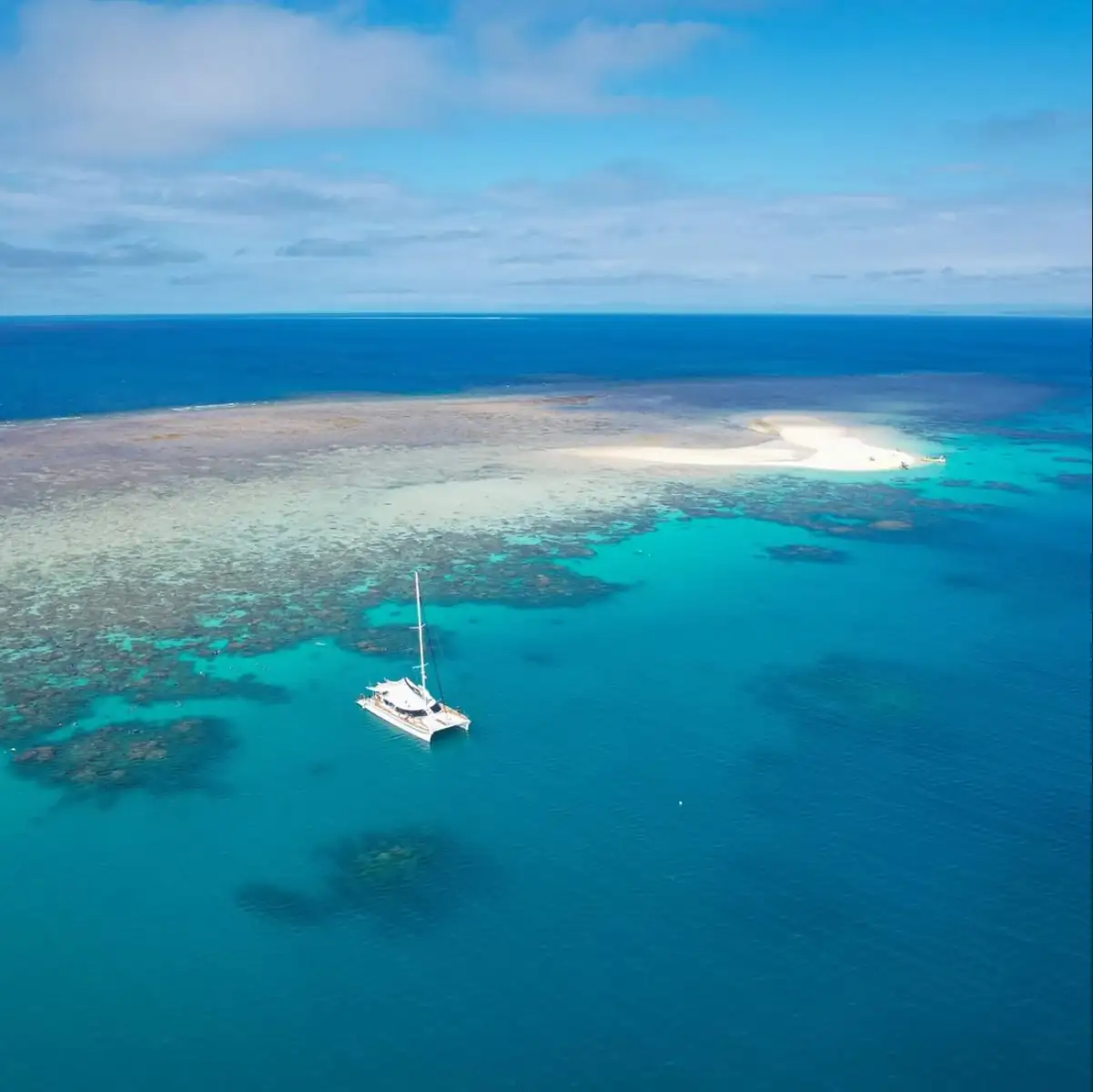
The closer you stay to shore, the more chaotic it gets. But head out to the Outer Reef, and the water clears, the coral gets stronger & the boat traffic evaporates.
When I line up departures with the right operators through Great Barrier Reef Tours, I always tell clients to keep an eye on the horizon and head north to the Ribbon Reefs. These reef systems are narrow, dynamic and much less crowded than the usual spots. They’ve got some of the most famous dive sites in Australian waters.
You can find places like:
- Cod Hole – the place where the Potato Cod come to play, literally the biggest
- Dynamite Pass – fast flowing current & schools of pelagics
- Pixie Pinnacle and Lighthouse Bommie – the classic bommie dives with loads of schooling reef fish
For experienced divers, more remote locations like Osprey Reef have sites like Temple of Doom, where the vertical walls just drop off into the deep blue. Not places for beginners – they need respect, a reliable dive computer and some competent dive pros.
And if you’re lucky around June or July, you might even catch a glimpse of the migrating Minke Whales along the Ribbon Reefs. But it’s all very tightly regulated – no chasing, no chaos, just controlled observing.
Private Yacht Charters Give You the Day
The difference between a group tour and a private yacht charter is basically just one thing: you get to call the shots. You don’t have to stick to a strict schedule. You get to decide when you want to grab your snorkel gear and hit the water, when to take a break and have a snack and when to just hang out in a beautiful secluded spot.
You can choose to go with:
- Sleek motor yachts if you want to get from A to B in style and at a fast pace
- A lovely luxury sailboat if you’re after a more relaxing experience and don’t mind a bit of quiet cruising
- A bigger boat that can handle longer multi-day itineraries and liveaboard experiences
Daily charter rates in 2025 are generally in the range of $5,000 to $15,000, which works out to be roughly the same as – or even less than – some pretty decent commercial tours depending on the size of the boat and what’s included. And when you split that between 6-8 people, it’s actually pretty reasonable.
Some charters come with Helicopter Flights, which can take you to some of the more remote sand cays or back to the mainland. And let me tell you, seeing the reef from the air gives you a totally different perspective – it’s an eye opener to see the coral patches, the tidal channels, the sandbars all from above. It puts into perspective just how fragile the reef is and how climate change and pollution are affecting it.
And yes, even on the Great Barrier Reef, there are some genuinely pretty amazing dining experiences to be had. Fresh seafood, a chilled bottle of wine and the sea air all combine to make for a pretty memorable meal – especially when you’re out in the middle of the ocean with no deadlines to meet.
Lizard Island: Isolation With Science
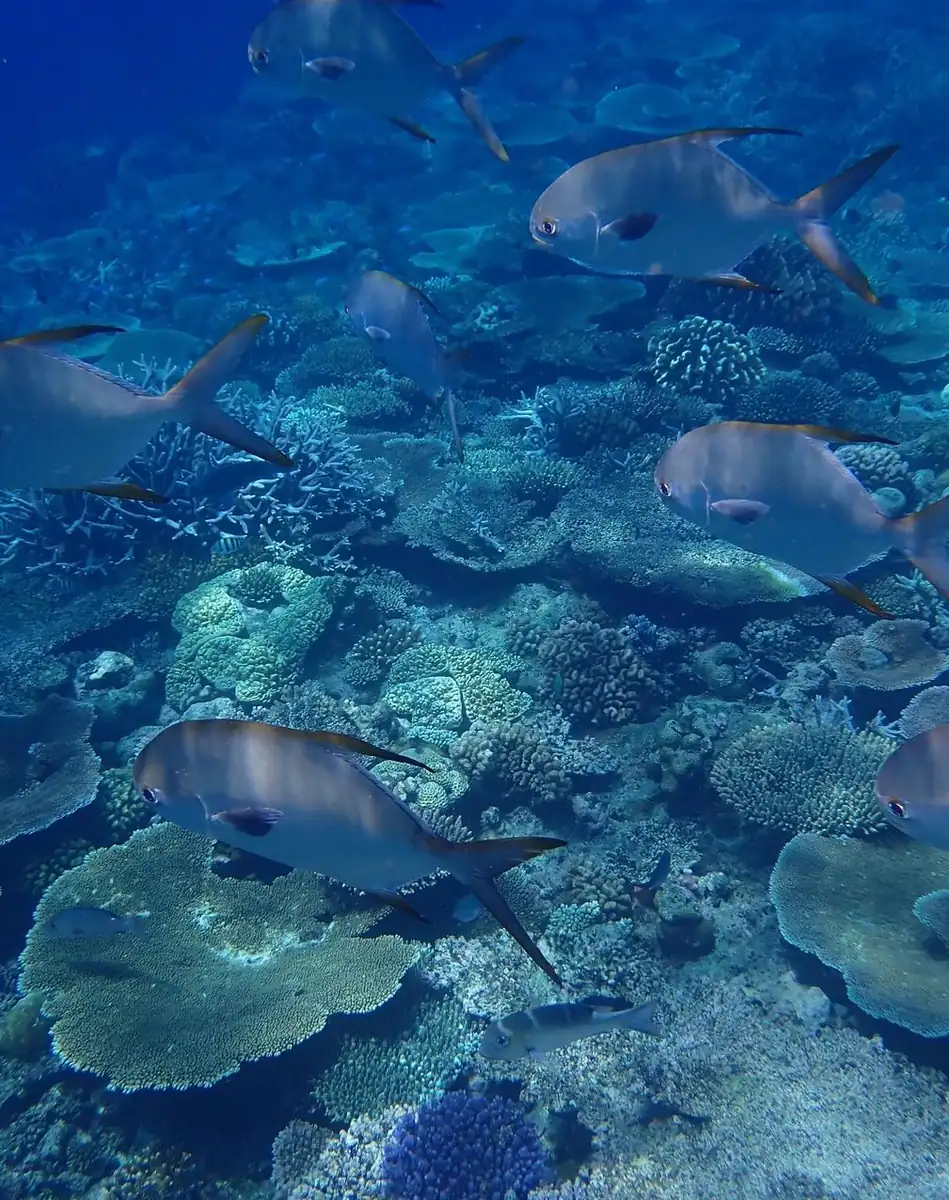
If you head a bit further north, you’ll come to Lizard Island. It’s actually quite a long way from the mainland, but still accessible by light aircraft from Cairns. It feels like a real retreat from all the hustle and bustle of life.
The presence of the Lizard Island Research Station is a big plus. It’s a hub for all sorts of marine research and conservation efforts, and you get a real sense that the people who are working there are genuinely committed to learning more about the reef and how it’s doing. That’s reassuring.
If you’re a snorkeller, Lizard Island is heaven. The coral is in great nick, there are all sorts of reef fish to see, and the best part is, there’s no real noise pollution from boats because you’re not near any of the high traffic areas.
Meals on the Great Barrier Reef are pretty special here too – imagine sitting down to a sunset meal with the reef just a few metres away from you. No fluorescent lights in sight.
Accessible Islands: Timing Matters
Not far from the mainland, there are a few islands that are definitely worth a visit – especially if you’re prepared to get up a bit early to beat the crowds. Low Isles near Port Douglas are a great spot for a snorkel in the calm waters of their lagoon. Combine it with a glass-bottom boat tour, and you can see all sorts of fish and coral without even getting in the water.
Fitzroy Island from Cairns is another option – it’s got some okay snorkelling and some great hiking tracks with some really nice views of the surrounding mountains.
The thing is, these places are not as remote as some of the other islands, but if you time it right (shoulder seasons, weekday sailings), you can still get a pretty special experience.
Serious Diving Demands Proper Respect
If scuba diving is your thing, take it seriously. The reef is a pretty forgiving place to start off, but get caught in the wrong currents out on the Outer Reef, and you might get a rude awakening.
My advice to anyone looking to explore the reef is to:
- Pack a dive computer that you can rely on
- Consider signing up for a Nitrox Course so you can make the most out of your dives – longer bottom time is always a bonus
- Don’t underestimate the power of a good set of Cyalume sticks for low-visibility signalling on night dives – trust me, you’ll want them
- And for goodness sake, only dive with qualified professionals who know what they’re doing
Multi-day small ship cruises or liveaboard charters are a great way to see the reef in all its glory. The sun rises with the dawn, and you get to experience bioluminescent organisms lighting up the dark water like a thousand tiny stars.
That’s the beauty of reef diving – it’s not just about skimming the surface, it’s about immersing yourself in the underwater world.
Charter Hubs Beyond Cairns
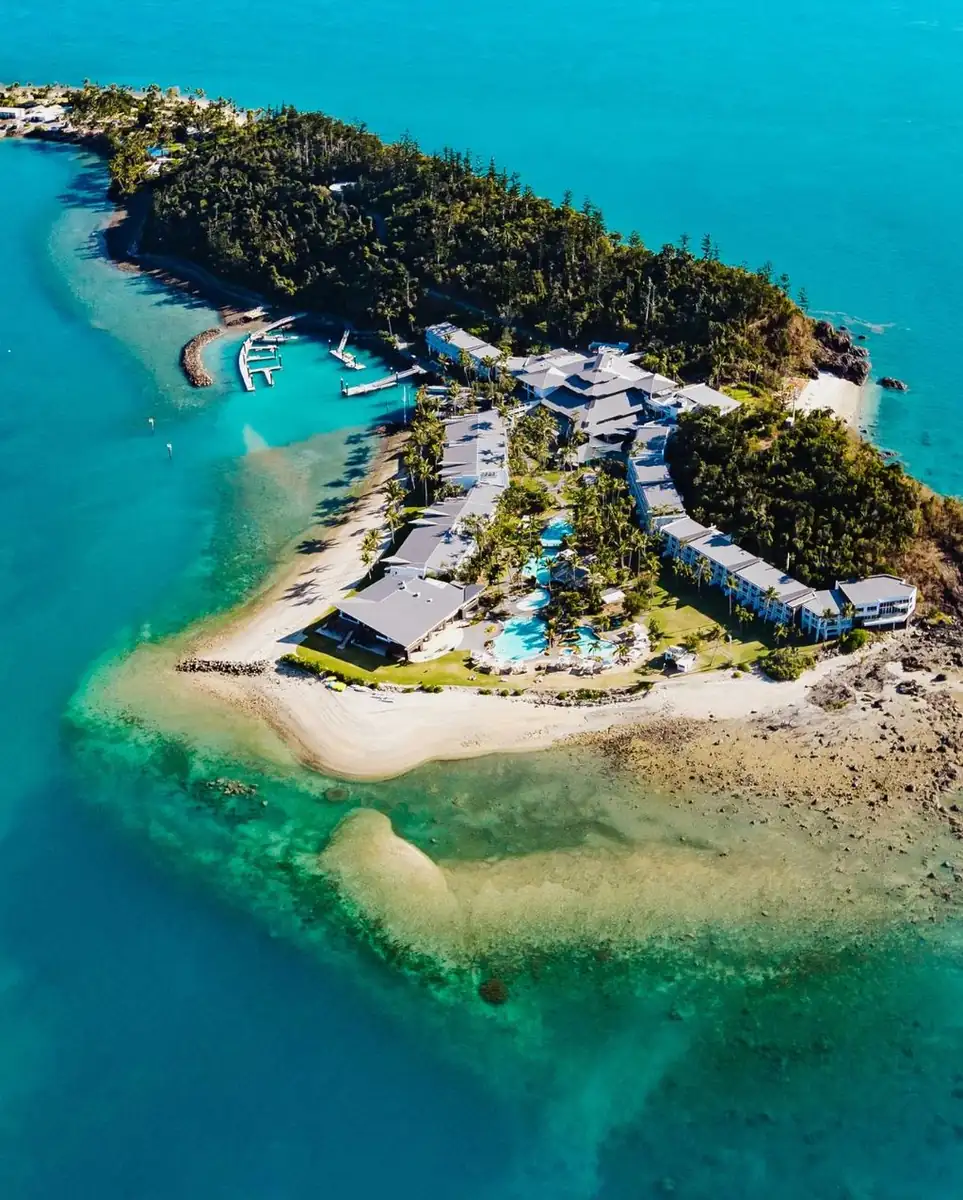
While Cairns Harbour and Port Douglas get a lot of attention, other coastal hubs are worth checking out. Places that offer a great combination of marine infrastructure and other attractions:
- Airlie Beach is a great option if you’re heading to the Whitsundays
- Magnetic Island is just off the coast near Townsville – it’s a great spot to explore
- And if you’re looking for a southern Queensland gateway, the Great Sandy Strait is worth considering
These harbour towns have all the facilities you need – marina, mooring, refit services, and plenty of other sailors and boat owners to rub shoulders with. Plus, if you’re coming from overseas, there are great international transport links and even private jet charter options available.
Just to put things into perspective, though, this isn’t the Amalfi Coast or the Dalmatian Islands – it’s a distinctly Australian stretch of the South Pacific, with warm waters, beautiful reefs, and the occasional raw summer storm.
Know Your Seasons
North Queensland has two pretty clear seasons.
May to October brings some pretty steady trade winds and good water clarity – it’s a great time to get out and explore. November to April, on the other hand, is a different story altogether – it’s humid, stormy, and sometimes cyclones sweep in. And if you’re planning to get in the water, be sure to bring your stinger suit – it’s stinger season.
When planning private charters, leave some flexibility in your schedule during the wet months. The reef isn’t static, and coral health can shift from year to year. And with the occasional marine heatwave, some areas have experienced coral bleaching – but the good news is that many of the outer reef systems have remained pretty resilient.
Responsible operators tend to rotate their dive sites to reduce the pressure on the reef – and that’s essential for keeping the reef healthy in the long term.
Reef Dining Should Be Unrushed
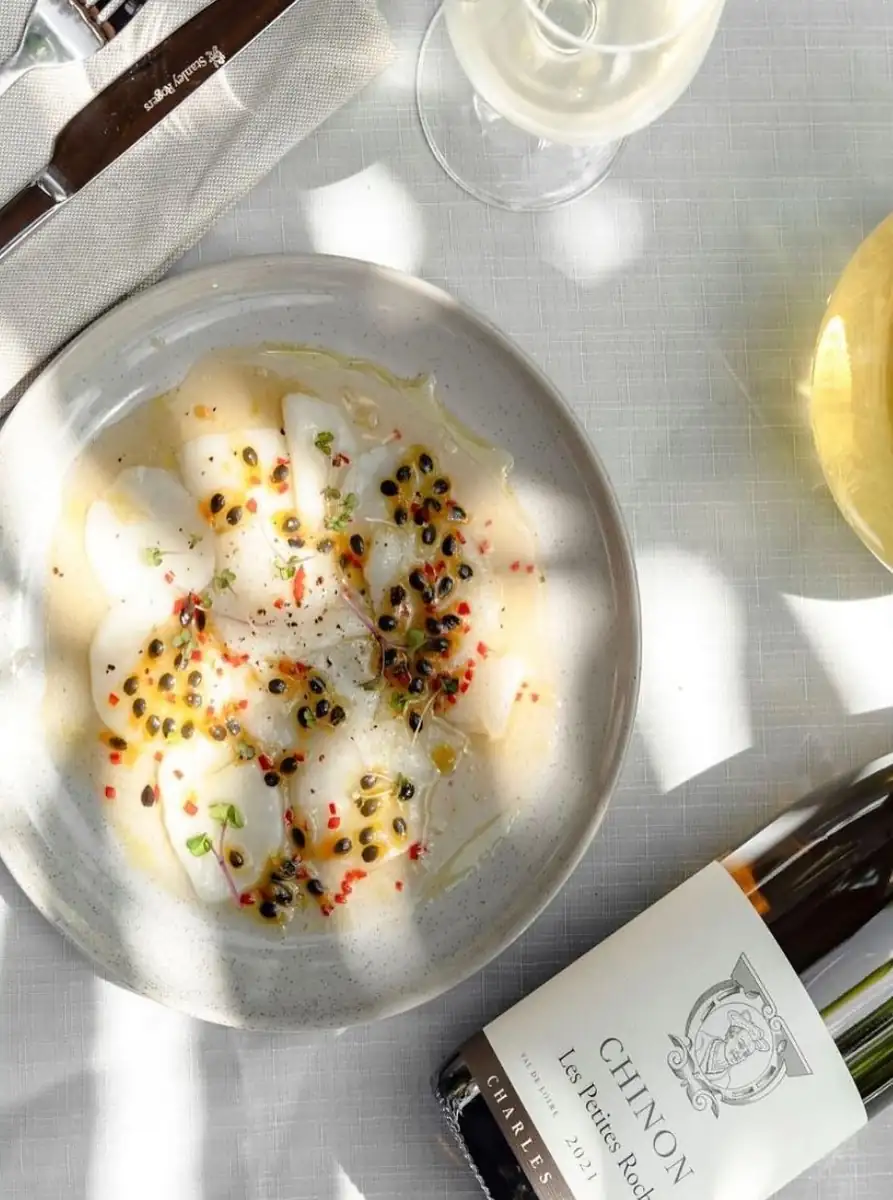
Dining experiences on the Great Barrier Reef are miles better when you can take your time getting back to the mainland. Imagine lunch on a private luxury sailboat, safely anchored above a quiet little Coral Cay, where your meal feels like a chapter in the journey, rather than just a pit-stop on the way.
Fresh seafood from Queensland. Locally sourced produce. No air-tight schedules. Just the gentle creak of the sailboat’s rigging and reef fish leaving their own trail in the water beneath you.
That’s what slow luxury actually feels like.
The Bottom Line: Intention Over Extravagance
Slow luxury on the Great Barrier Reef isn’t about flaunting your wealth; it’s about dedicating time to the things that really matter: great company, quality food and drink, and making thoughtful choices. When you arrange a private yacht charter, explore hidden Ribbon Reef dive sites, or pick out a secluded Coral Cay to land on, your whole experience starts to feel like it matters.
If you’re dialling up a trip through a platform like Great Barrier Reef Tours, or going it alone with a luxury yacht charter, take the time to focus on quality over quantity. Ask your operator about their rotation system. Check out the permits they’ve got. Get the inside scoop on seasonal conditions.
Take it slow. Dive deeper. Show some respect to the Sea Country.
The reef will reward you for it.
FAQ
Is scuba diving okay for complete beginners?
Yes, as long as you’re with instructors who know their stuff and choose sites that suit you. Introductory dives are on the menu – but Outer Reef conditions can get pretty tricky for first timers who aren’t confident or don’t have a pro to watch their back.
Do private yacht charters have to break the bank?
Not at all. When you split costs with a small group, you might find them more competitive than a top-of-the-line day tour. And when it comes to the quality of the experience? That’s where luxury charters really come into their own.
When do you find the calmest sailing conditions?
June to September are usually the pick of the bunch when it comes to stable weather in North Queensland – but make sure you check in with the latest marine forecast before you set off.
Can you have a great time on the reef without getting in the water?
You bet. Snorkelling, glass-bottom boat sessions, and guided reef tours – there are heaps of ways to experience the reef that don’t involve scuba diving.
Is the reef still worth visiting even with all the climate worries?
Yes – but make sure you choose operators that are committed to looking after the reef, too. There are still heaps of vibrant outer reef systems out there, and doing the right thing with your visit can really make a difference in helping the reef stay healthy.