pond to sunlight, feeding rhythms, and river temperatures.
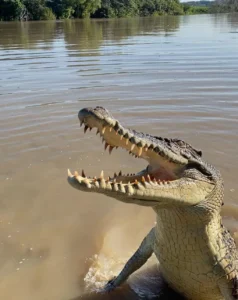
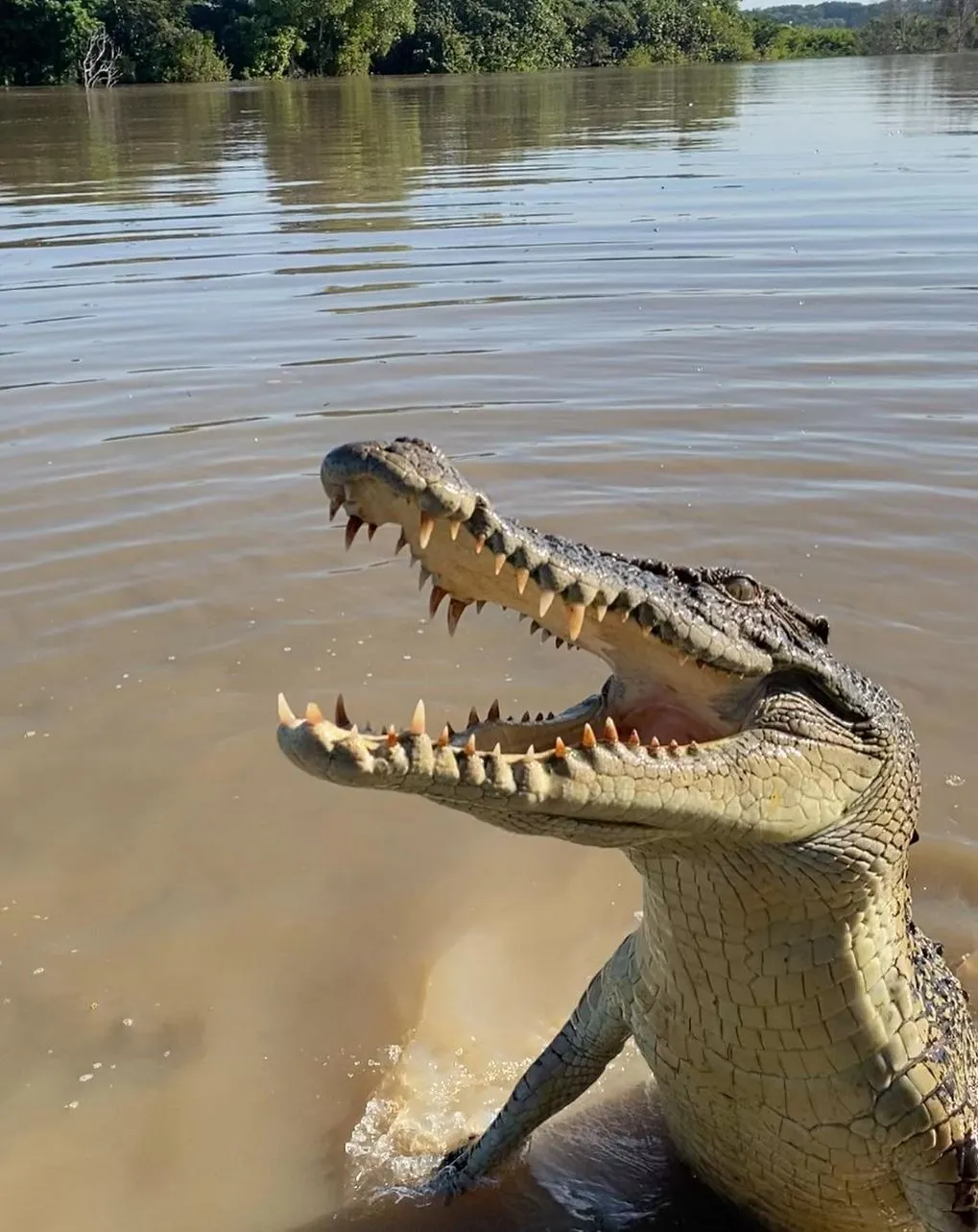
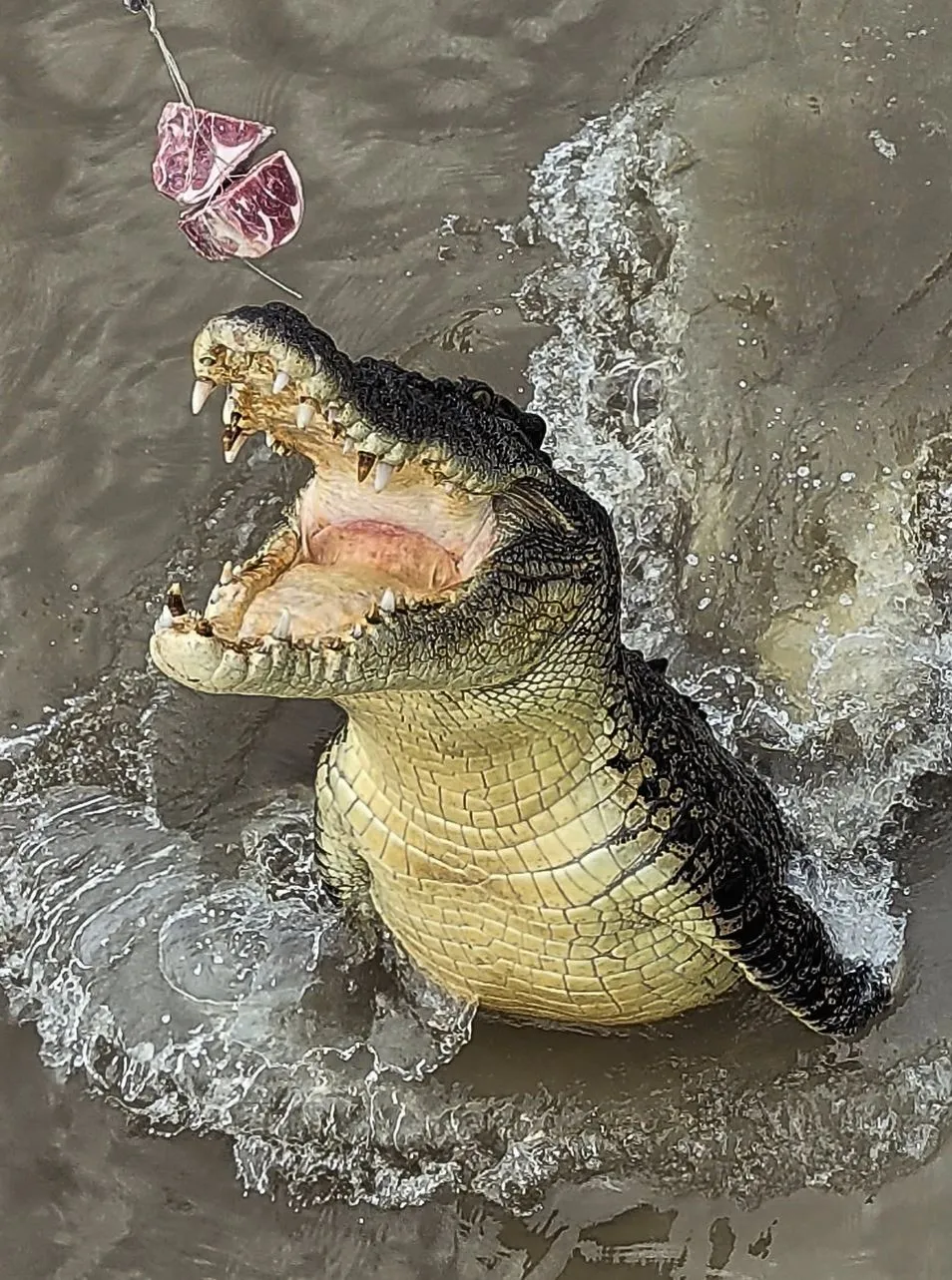
On a Jumping Crocodile Cruise, you’ll get to see wild crocodiles behaving in different ways, depending on the level of heat, tides and competition patterns – and that gives you a better chance of witnessing a full-on crocodile feeding display rather than just lazy crocs who couldn’t be bothered lifting their heads.
Contents
- 1 The Lowdown on Crocodile Body Temperature
- 2 What This Means for Travellers
- 3 Crocodile Feeding Patterns & Why They Matter
- 4 A Quick Story From the River
- 5 Species of Birds Help Run the Morning Show Too
- 6 9 am Cruises: Cooler Temps, Hungrier Crocs, BIGGER Leaps
- 7 11 am Cruises: When Crocs Really Start to Move
- 8 Our Respect for Country and Crocodile Country
- 9 Staying Safe: Don’t Tour Like a Zombie
- 10 The Weather Effect: Wet Season vs Dry Season
- 11 Which Time Wins: 9 am or 11 am?
- 12 Final Reflection
- 13 FAQ
The Lowdown on Crocodile Body Temperature
Crocs aren’t just marine reptiles – they’re clever buggers, they’re energy managers. Early morning is cool, so many crocodiles are still warming up from the night before. And, of course, their body movement, appetite, and willingness to jump all change as the day heats up.
To give you a clearer picture:
Croc Behaviour by Temperature (Approx., Based on NT Wildlife Data)
| Time of Day | Average Dry-Season River Temp | Crocodile Activity Level | Likelihood of High Jumps |
|---|---|---|---|
| 9:00 am | 22–24°C | Moderate | High |
| 11:00 am | 25–27°C | High | Moderate–High |
Dry-season data combines observations from NT Parks & Wildlife studies on saltwater crocodile density & movement patterns.
What This Means for Travellers
- At 9 am, the crocs are rumbling from an empty belly, wide awake, and itching for a fight
- At 11 am, they’re warmed up & active, but the big boys will often bugger off after an early feed
Crocodile Feeding Patterns & Why They Matter
Watching a crocodile feeding demo will give you a clue – a croc will only bother leaping if it’s worthwhile; in other words, if the reward outweighs the effort. At sunrise, their metabolism is chugging along faster than a rusty old truck. Early-morning cruises often see the strongest jumps from the younger & more energetic crocs, while the larger crocs conserve their energy for later.
A Quick Story From the River
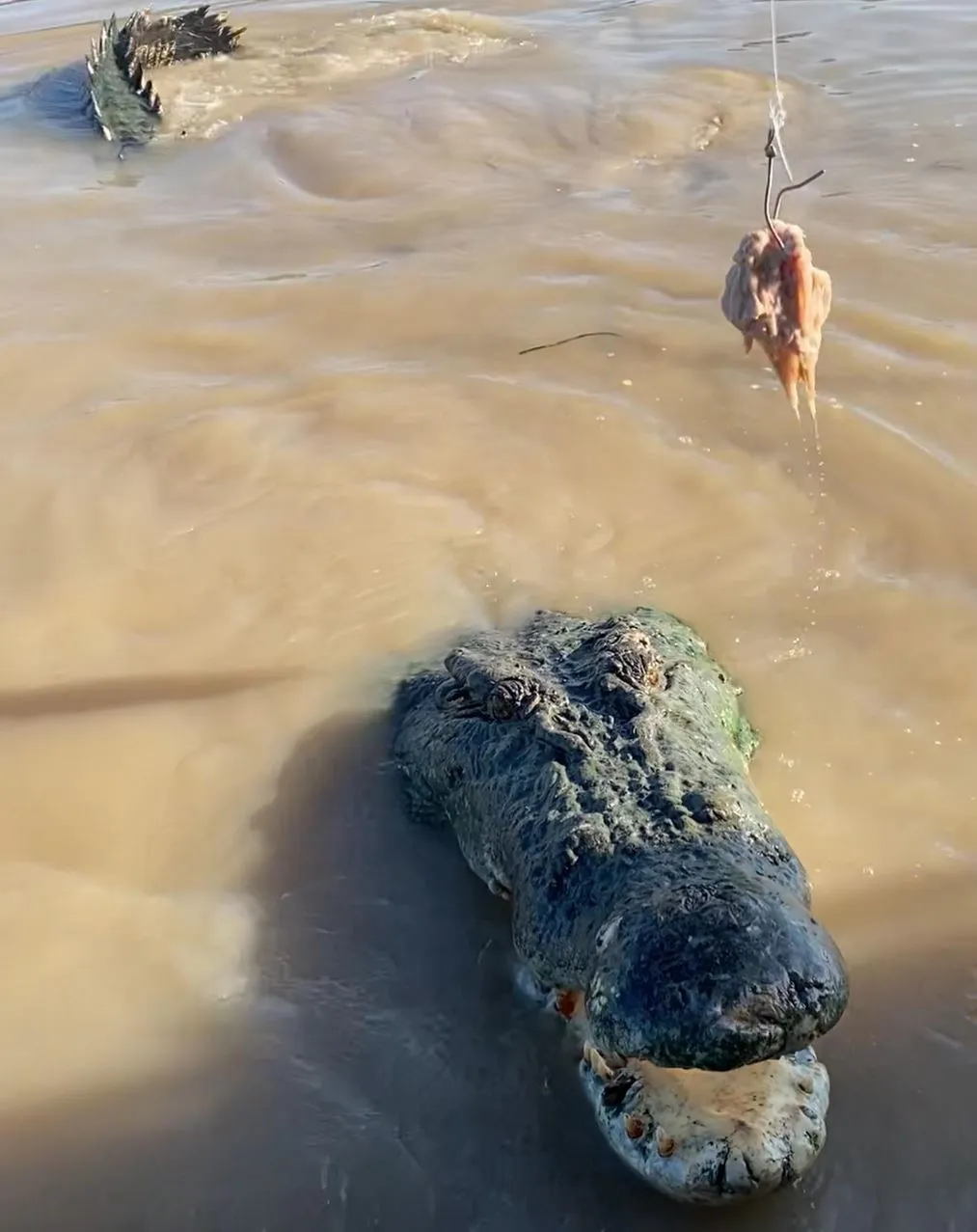
When I first went out on a Jumping Crocodile Cruise years ago to learn some patterns for our outback driver guide courses, a massive bull – easily over five metres – launched so high at 9 am that half the boat could have sworn they felt the splash on their shins. By 11 am, the same bloke could barely lift his snout above the water. Classic croc logic: burn off some energy early, dominate the place, then shut your gob by mid-morning.
Species of Birds Help Run the Morning Show Too
The Adelaide River is crawling with interesting characters:
- Whistling kites are circling overhead, scrounging for scraps
- Magpie geese are honking like they’re late for work
- Other birds are hanging around the croc feeding zones
- Bird activity really picks up earlier in the morning, which sets the crocs off in competition mode
9 am Cruises: Cooler Temps, Hungrier Crocs, BIGGER Leaps
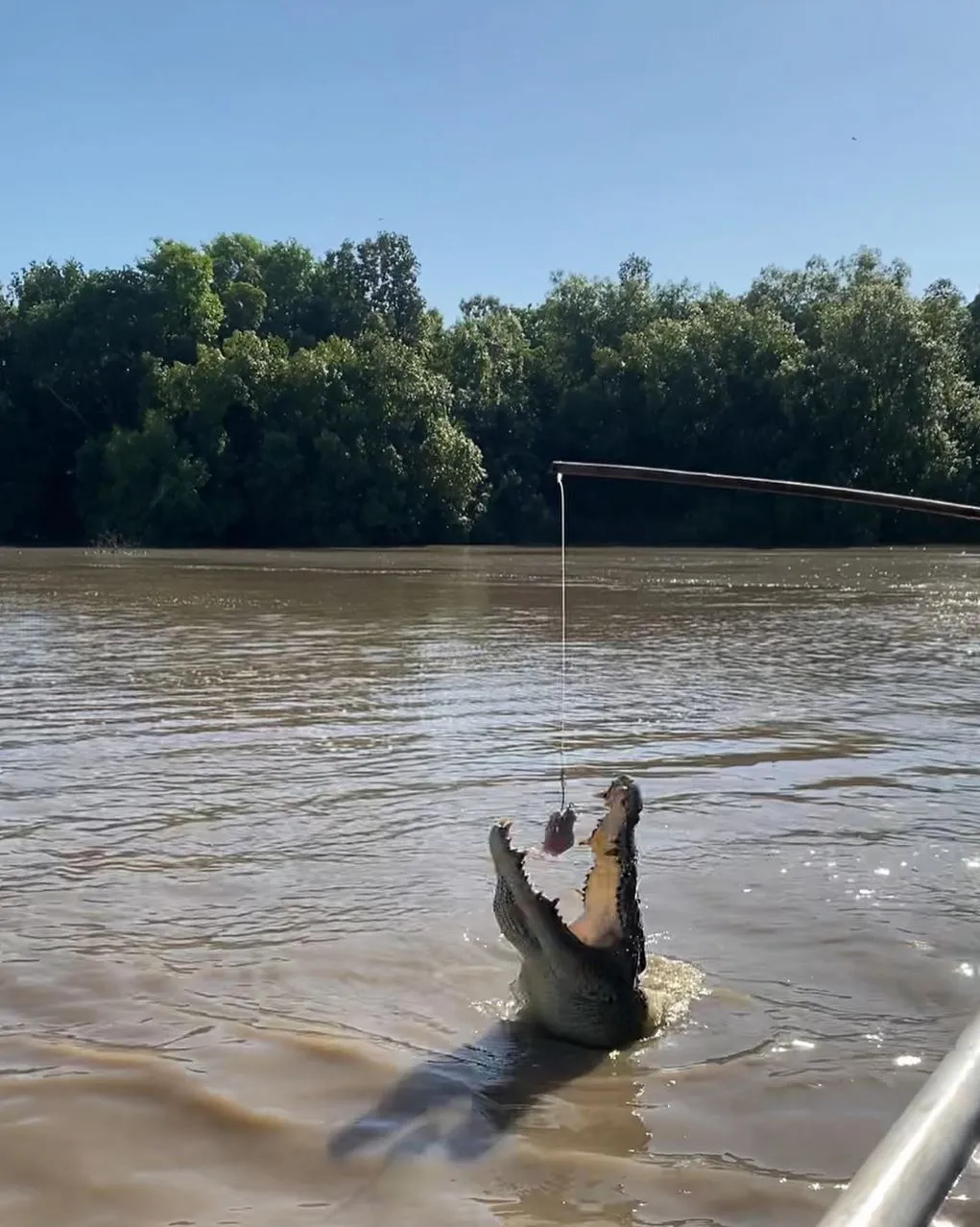
There’s something magical about the 9 am window. You’re cruising past mangrove-lined banks as the floodplains spread out flat as a plate, and every ripple feels like a warning sign that something’s lurking under the surface.
What Makes 9 am a Pretty Special Time
- Crocodiles are starving after a night without a feed
- River temperature is starting to rise, so the crocs get moving
- The competition for tucker gets crocs jumping big time
- Fewer boats means less disturbance from other cruise operators
A Sentence That Uses Your Key Phrase
A Jumping Crocodile Tour can show you why so many people reckon the early morning action is out of this world.
Bonus Perk
You’ll beat the wet-season afternoons’ storms – and trust me, Adelaide River storms don’t muck around
11 am Cruises: When Crocs Really Start to Move
No 11 am cruises should be dismissed as a sleeper option. Warm water gets the crocs on the go, like a bunch of old timers wobbling around and putting on a show. And the light – just perfect for photography or filming the big fellas sauntering across the floodplains.
What Makes an 11 am Tour Worth It
- By 11, the crocs are warm, and we’re seeing some proper cruising action.
- Better lighting for photography makes all the difference in getting decent shots.
- Surface action is way more evident, so you’ll get to see them interacting with birds and all that.
- And yes, no early morning starts for those who just can’t get out of bed (no blame on NT nights, though; you might just need that extra sleep).
Another Important Point to Make
Take the 11 am Jumping Crocodile Tour, and you’ll still get to see some pretty wild crocodile feeding behaviour as the day warms up.
Downside of Later Tours
Now, some of the bigger males just dive deep after feeding, so the jumping height can be a bit lacking.
Our Respect for Country and Crocodile Country
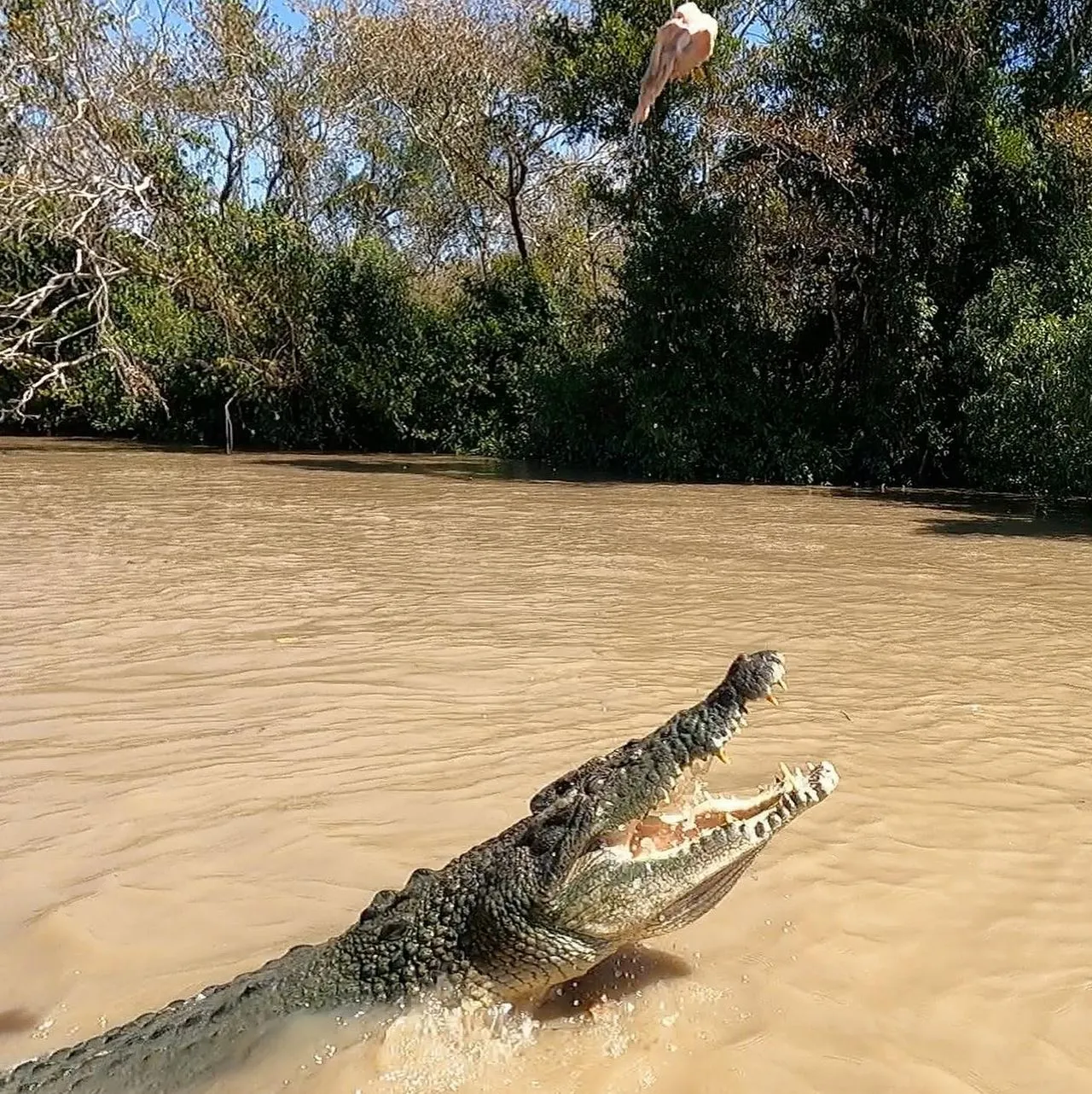
You can’t separate saltwater crocs from Australian Aboriginal culture – they’ve always been a part of the story, right across the northern lands. These are ancient landscapes that were shaped by tens of thousands of years of knowledge passed down through generations.
When you visit, you’re not just on a holiday; you’re stepping into a place that’s been home to traditional owners and custodians for a very, very long time.
Staying Safe: Don’t Tour Like a Zombie
Crocs are serious predators, known for speed and stealth. They’re not cuddly Disney characters, no matter how much you watch them on YouTube or TV.
Some Basic Safety Rules I Give To Every Traveller
- Don’t lean over the edge with your arms or camera extended. Get ready for a nasty surprise.
- Stay clear of the riverbanks, even if the water looks dead flat – they can launch themselves in the time it takes to blink.
- No swimming, even if the water looks as calm as a millpond.
- And always listen to your tour operator – they’re the ones on the front lines.
A Jumping Crocodile Tour can be one of the safest ways to see wild crocodiles – but the river isn’t a place for second chances.
The Weather Effect: Wet Season vs Dry Season
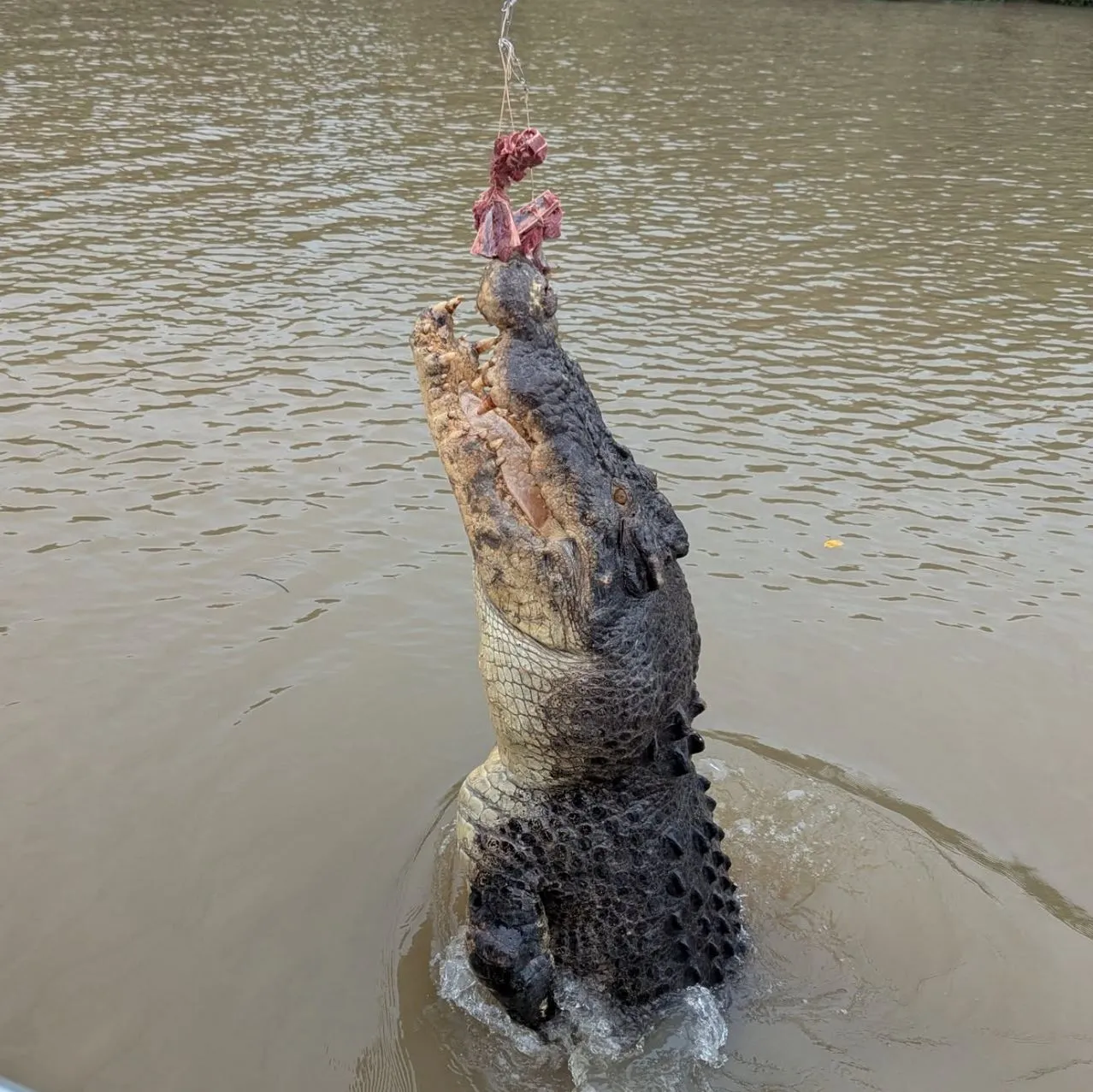
Seasons change the way crocs act, like it’s a whole new game.
Dry Season (May–October)
- Cool nights still – but those crocs are already up bright and early for their morning bask.
- Perfect time for a 9 am tour – they’re active and ready to go.
- Best time for prime spotting, if you will.
Wet Season (Nov–April)
- Riverbanks are all flooded, so the crocs are covering much more water.
- There is a higher density of crocs in the water because it’s easier to get around.
- Jump height can vary widely depending on water behaviour.
- And to top it all off, climate change is changing all these patterns – water temps are rising earlier, and storms are getting stronger.
Which Time Wins: 9 am or 11 am?
Alright, here’s the lowdown after years of hanging out on the river:
- If you want the best chance at seeing some seriously mind-blowing jumps, go for 9 am.
- For me, the cooler temps and morning hunger of the crocs make for some seriously action-packed viewing.
- If you want crystal-clear water and some top-notch photography, 11 am is your best bet.
- When it warms up, the crocs get moving and create some simply stunning river scenes.
Both options give you a solid chance at spotting crocs, but if you want the sheer, unadulterated excitement of watching them jump, 9 am just edges it out.
And let’s be real – taking a Jumping Crocodile Tour gets you up close and personal with some serious wild animals in a way that distant documentary footage just can’t match.
Final Reflection
Let’s not forget: these aren’t circus critters; they’re wild animals shaped by thousands of years of history, living in one of the most remarkable landscapes on Earth. Whether you go early or late, the Adelaide River will show you why jumping crocs are so darn impressive.
If you’re ever planning a Top End adventure or want to know more about other outback locations, hit me up. I’m always stoked to share what we’ve learned at the Get Lost Travel Group.
FAQ
Do crocs really jump higher at 9 am?
Yeah – more often than not. When the morning is cooler, the crocs are hungrier and way more responsive to the feeding cues.
Is the Jumping Crocodile Cruise safe for kids?
Absolutely – just as long as everyone follows the croc safety rules and stays seated, that is. These tours are specifically designed to give you a safe and up-close look at wild crocodiles.
Can I see other wildlife on the cruise?
You bet. Expect to see birds such as whistling kites, magpie geese, and other species along the riverbanks.
Does the density of crocodiles change with the seasons?
You guessed it – yes, it does. Wet season floods scatter them wide and far, while the dry season gives you a better chance of spotting them in the narrower channels.
Are crocodile attacks common on the Adelaide River?
Not if you stick to the regulated tours, they’re not. They do happen, but mostly when people take risks, such as ignoring warning signs or swimming in areas where they shouldn’t.